Contemporary business areas increasingly depend on digital solutions to create settings that are both efficient and inviting. Among the most useful solutions for shaping these environments are integrated acoustic technologies. These systems allow companies to deliver uniform and high-quality audio throughout commercial sections, workspaces, or guest environments. By adopting connected sound technologies, organizations can manage musical settings, notifications, and signals from a unified platform, guaranteeing every section of the space preserves the intended environment. The purposeful use of sound adds to consumer experience and enjoyment, which is critical for keeping clientele and driving repeat visits.
Connected audio solutions also offer a crucial function in improving workflow. For extensive retail stores or multi-level office buildings, managing sound directly can be cumbersome and uneven. Connected solutions provide centralized command, enabling teams to adjust sound levels, schedule audio tracks, or transmit notifications quickly to multiple zones. This capability of management minimizes the requirement for repeated intervention and guarantees that all sections receive the same quality of acoustics. Businesses can also combine insights platforms with these networks to monitor usage patterns and optimize content delivery, further supporting the overall consumer and team engagement.
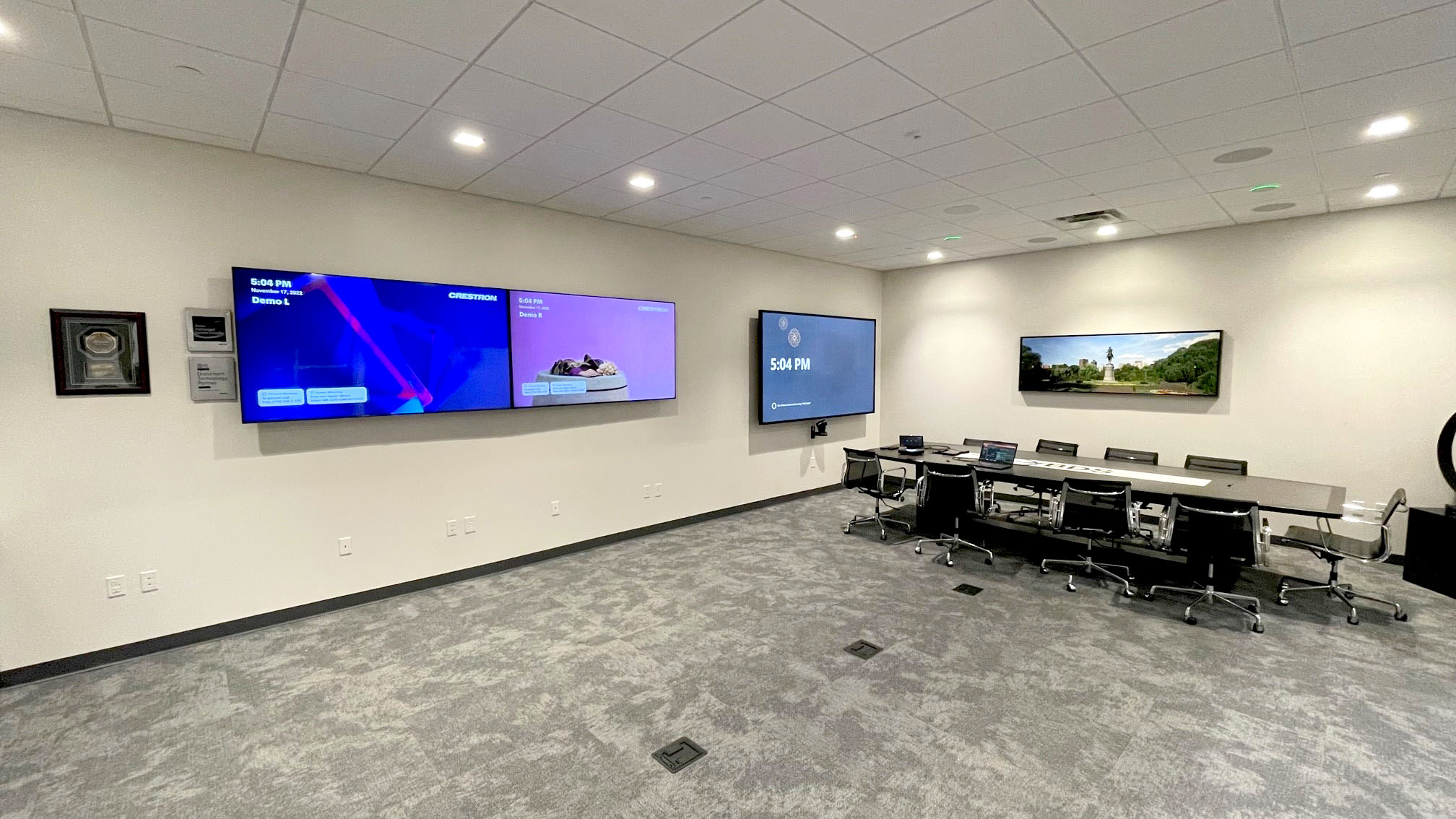
Another important aspect of integrated audio technologies is their benefit to brand identity. Audio strategy is a subtle yet impactful element that shapes experience and response. Carefully designed ambient sound and acoustic signals can reflect a company’s personality, making the space feel welcoming and polished. For instance, businesses can use selected sound styles or speeds to increase customer dwell time, while restaurants can modify ambient sound to enhance customer experiences. The standardization of audio throughout all zones of a organization helps create a cohesive atmosphere that supports both branding and functional objectives.
Protection and inclusivity are other advantages of connected acoustic systems in retail environments. These systems can be connected with emergency notification systems to provide understandable instructions during emergencies or critical incidents. Consistent audio distribution guarantees that every part of the space experiences notifications uniformly, minimizing confusion and improving protection measures. Furthermore, acoustic solutions can support assistive features, such as voice-assisted guidance or hearing-impaired-friendly alerts, improving the usability of the environment. Incorporating these features shows a commitment to both customer care and standards.
Finally|Ultimately|In conclusion, company website implementing in connected audio technologies provides long-term benefits for organizations. Beyond short-term benefits to customer experience, these technologies provide flexibility, consistency, and adaptability as retail areas develop. Enhancing or expanding audio networks can be implemented without disruptive interruption, and the capacity to adjust More from the author audio levels ensures that businesses can respond efficiently to changing needs or preferences. By utilizing advanced audio solutions, businesses can deliver functional, efficient, and safe areas that enhance both customer satisfaction and business efficiency, establishing these solutions an vital aspect of modern business environments.